By Astrid Willow Fencrest · Publisher: Gardenmaphotel Interior Reading Journal
Elegant is a beginning, not a room plan
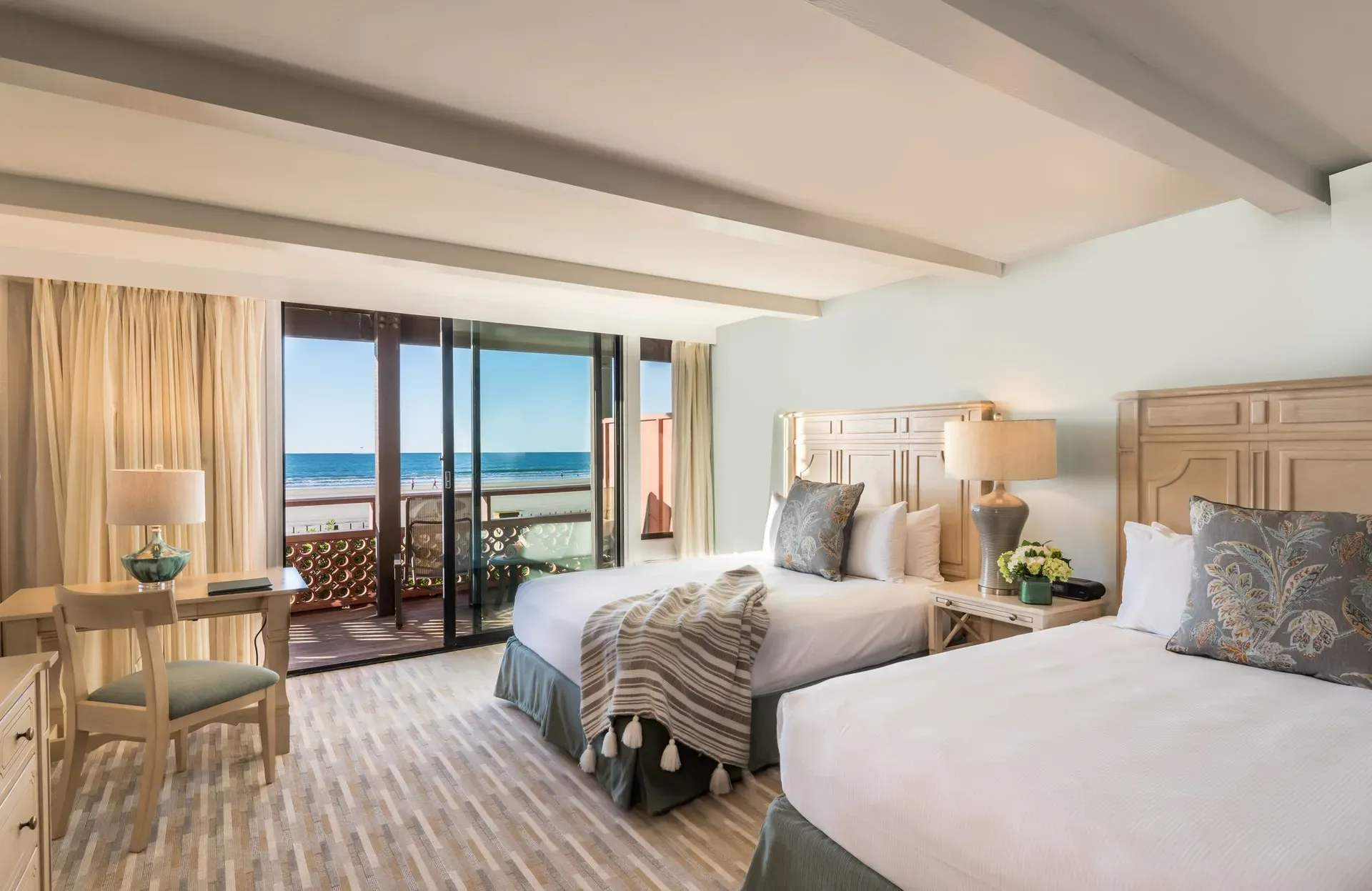
Gardenmaphotel describes elegantly crafted suites as part of its hospitality. That phrase establishes a mood, but hotel suite comfort depends on the details behind it. A broad bed, a handsome chair and a carefully framed photograph cannot tell you where a suitcase opens or whether someone can read while a companion sleeps.
Start with the room category actually offered for your dates in 2026. A photograph may show one arrangement within a category, and a request may express a preference without guaranteeing it. Ask which features are included in the booking and which remain subject to availability. Keep the answer with the confirmation so that expectations stay attached to the right room.
Turn preferences into specific questions
- Is the seating area separated from the bed?
- Can reading lights be controlled independently?
- Where does this room category sit within the building?
These questions are more useful than asking whether a room is quiet or spacious in general. Explain what you need: an early night, room to unpack, or a chair with useful light. There is no need to attach a special occasion to an ordinary comfort request. A clear description of how you use the room gives staff something concrete to answer.
Imagine an ordinary evening inside
Trace a small journey through the room before being distracted by decorative details. Think about entering with bags, reaching the bathroom at night and moving past an open wardrobe. A generous overall area can still leave awkward passages. If accessibility is important, ask about the exact features you require rather than inferring them from a wide-angle photograph.
- List the two room features that matter most to your stay.
- Check them against the booked category and written details.
- Ask one focused follow-up where the information is missing.
| Visible detail | What remains open |
|---|---|
| A large window | Privacy, outlook and usable curtains |
| A reading chair | Lighting and space around the seat |
| A separate doorway | Whether it closes between living and sleeping areas |
The aim is not to find fault with a photograph. Images communicate atmosphere quickly, while a room plan or a written answer can explain use. Bring those kinds of information together. If you arrive before room access, the arrangements discussed in arrival addresses and resort plans also matter: a comfortable room does not solve a long wait with nowhere confirmed for your bags.
Light and sound change after dinner
A room that looks restful in daylight may have different conditions later. Ask about nearby public spaces, connecting doors and the position of lifts rather than assuming a higher category guarantees quiet. The original hotel information mentions entertainment and nightlife; it does not establish the sound conditions of an individual room. That is a separate question for the property.
Light deserves the same practical attention. Curtains, bedside controls and a place to read can matter more than a striking ceiling fitting. If one traveller returns later, consider how the entrance and bathroom relate to the sleeping area. A layout that supports different routines can reduce the need for both people to finish their evening at the same time.
Keep hotel suite comfort separate from expectations about gaming. A room upgrade does not make a casino result more predictable or create a reason to spend more. Plan the room around rest and daily use. For the hours outside it, planning dinner and an optional table visit offers a way to leave space between activities rather than filling every interval.
Author’s opinion
I would choose a clearly described room over a more dramatic photograph with unanswered practical questions. My priorities are usable light, a sensible route around the bed and a position that suits my sleep. A suite feels generous when it supports an ordinary evening comfortably, even when there is nothing special planned.